
Omoide Yokocho
Free entry, you pay at each bar
Plan your visit
Official website ↗- Nishi-Shinjuku 1-chome, Shinjuku City, Tokyo 160-0023, Japan · Directions
- Free entry, you pay at each bar
- Good to know before you go
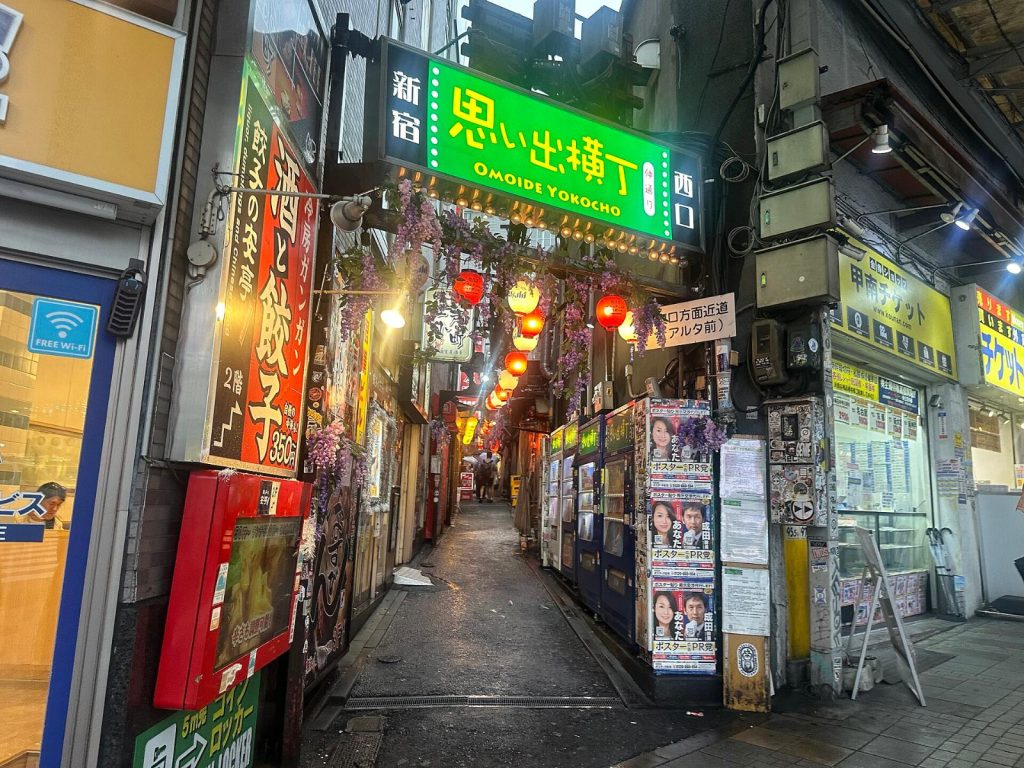
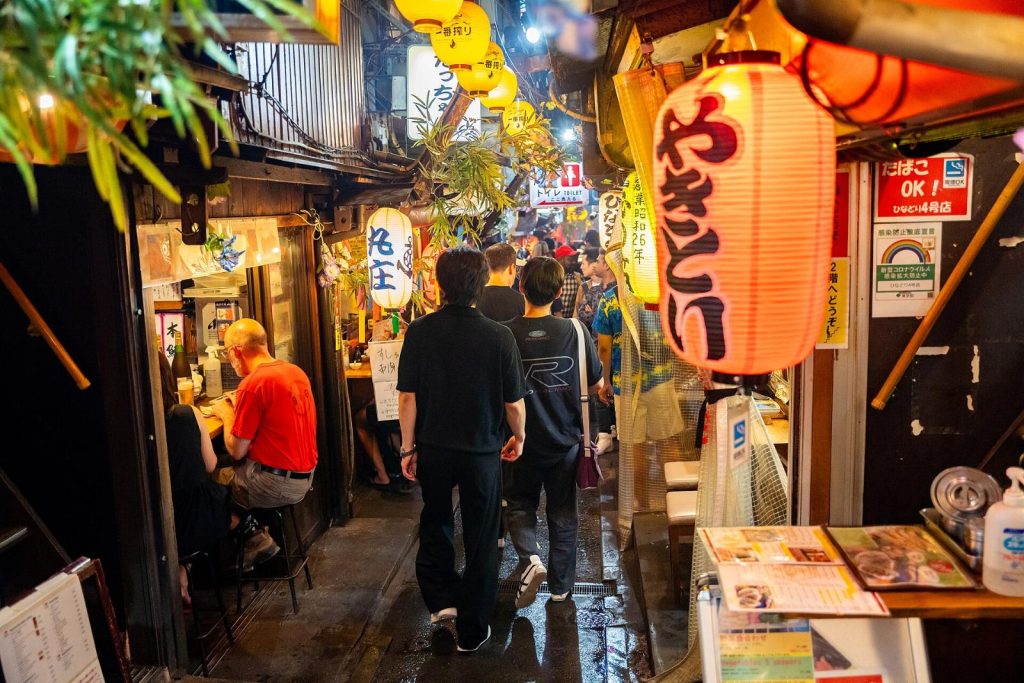
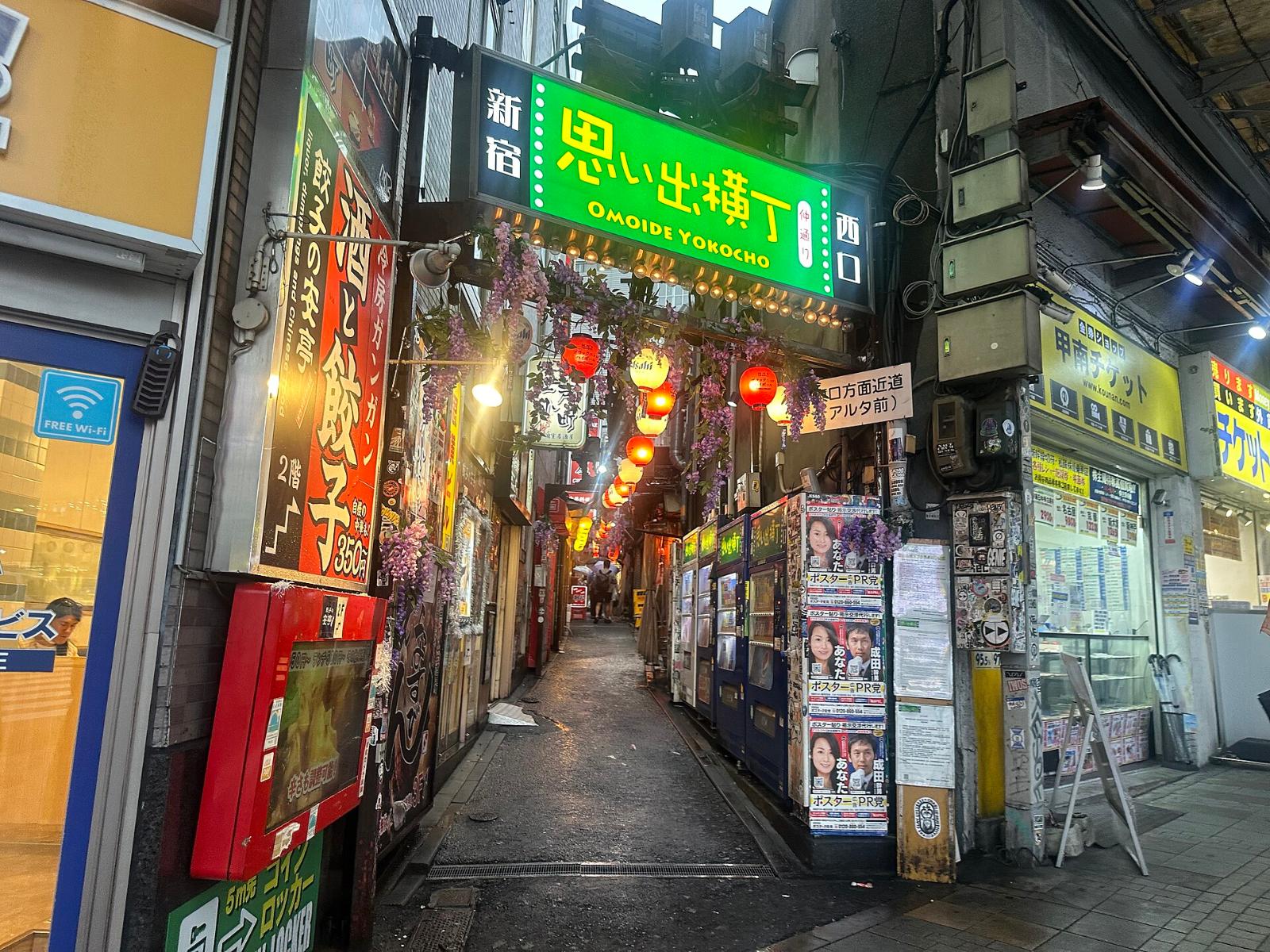
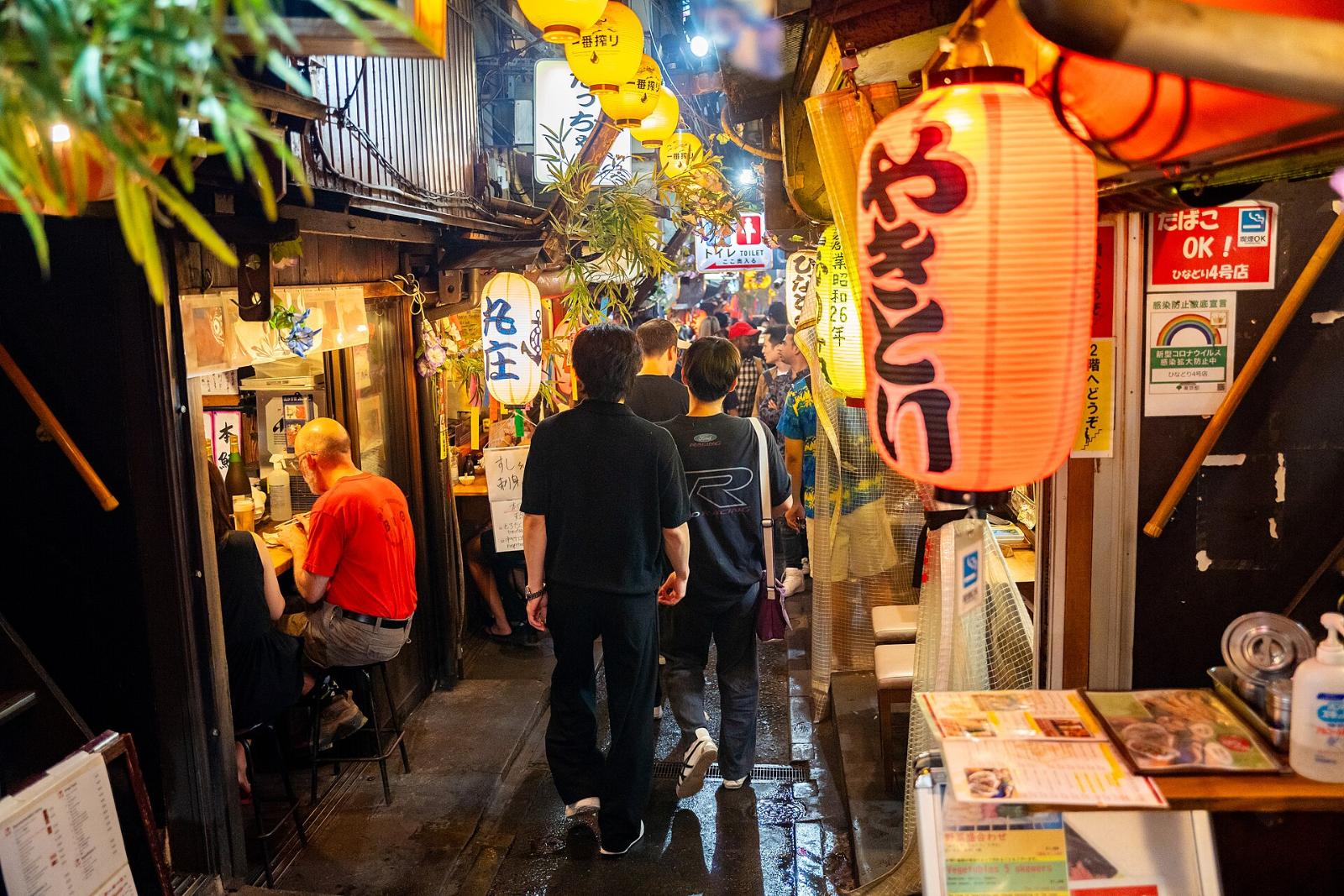
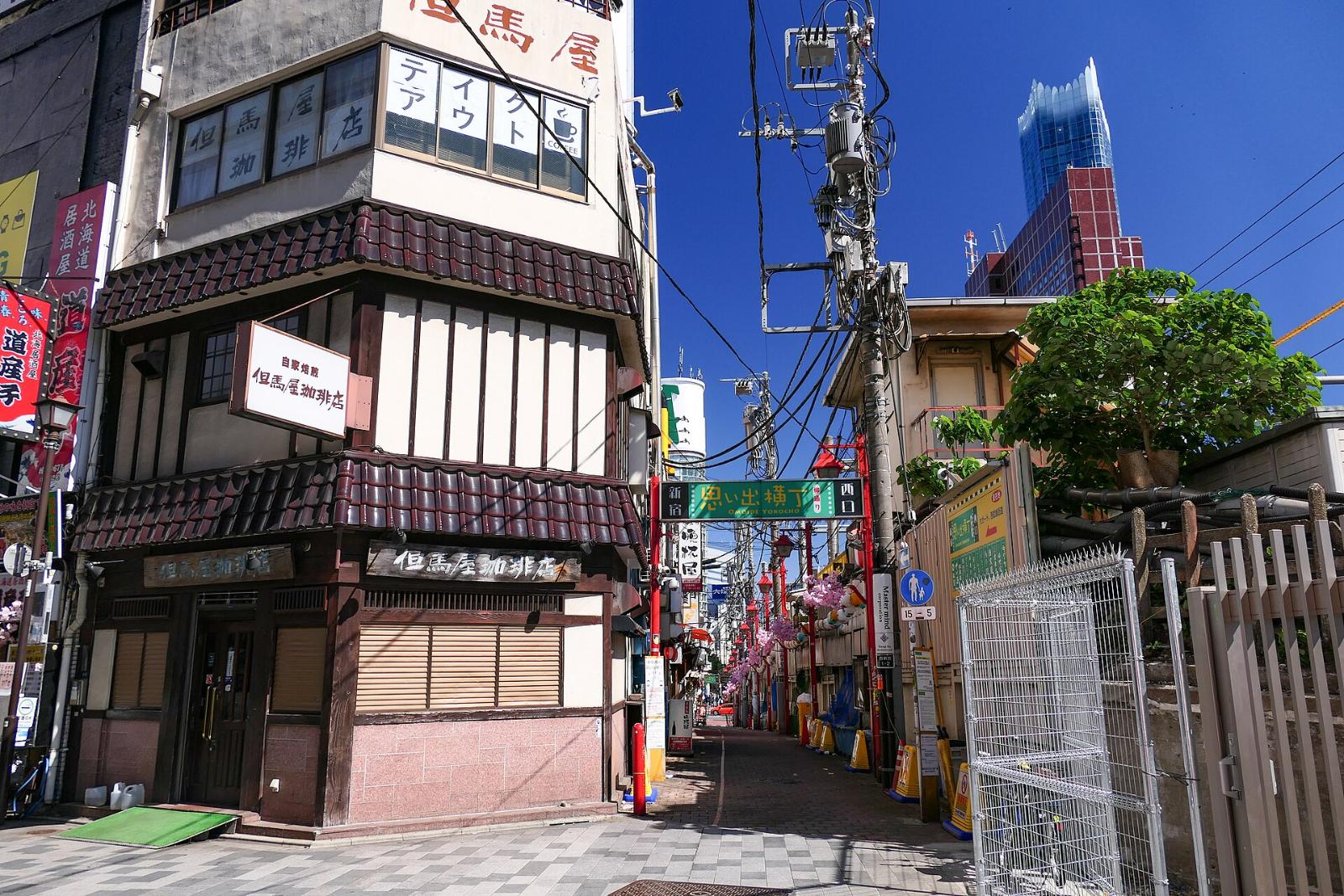
Omoide Yokocho (“Memory Lane”) is a cluster of narrow lanes just outside the west exit of Shinjuku Station, in Nishi-Shinjuku, packed with about 80 small shops, around 60 of them bars and eateries. It grew from an open-air black market in the ruins after World War II, and today more than half its eateries grill yakitori (chicken skewers) or motsuyaki (offal skewers) at smoky counters that seat a handful of people. Walking the lantern-lit lanes is free; you pay shop by shop, often in cash.
Highlights
- Yakitori and motsuyaki (throughout the lanes): Grilled skewers are the alley’s mainstay, with more than 30 yakitori shops and over 20 serving motsuyaki on the official shop list. Offal skewers took off here around 1947, because offal supplied by the occupation forces wasn’t among the controlled goods of the postwar economy.
- Horaiya (Omoide Yokocho): Billed on its official shop page as the alley’s first motsuyaki shop, opened in 1947, it serves yakitori, offal skewers and motsunikomi (offal stew).
- Eels Kabuto (Omoide Yokocho): A small shop serving nothing but eel, from head to tail including the fins and liver, skewered and grilled over oak charcoal. The menu is essentially one set of everything, and the association’s visitor guide notes a limit of three alcoholic drinks per customer.
- Offal stew, oden and noodles (shops across the lanes): Beyond skewers, the official shop list shows motsunikomi at more than 30 shops and oden at about 10, plus seafood, oysters, sushi and a handful of ramen and soba counters for a late bite.
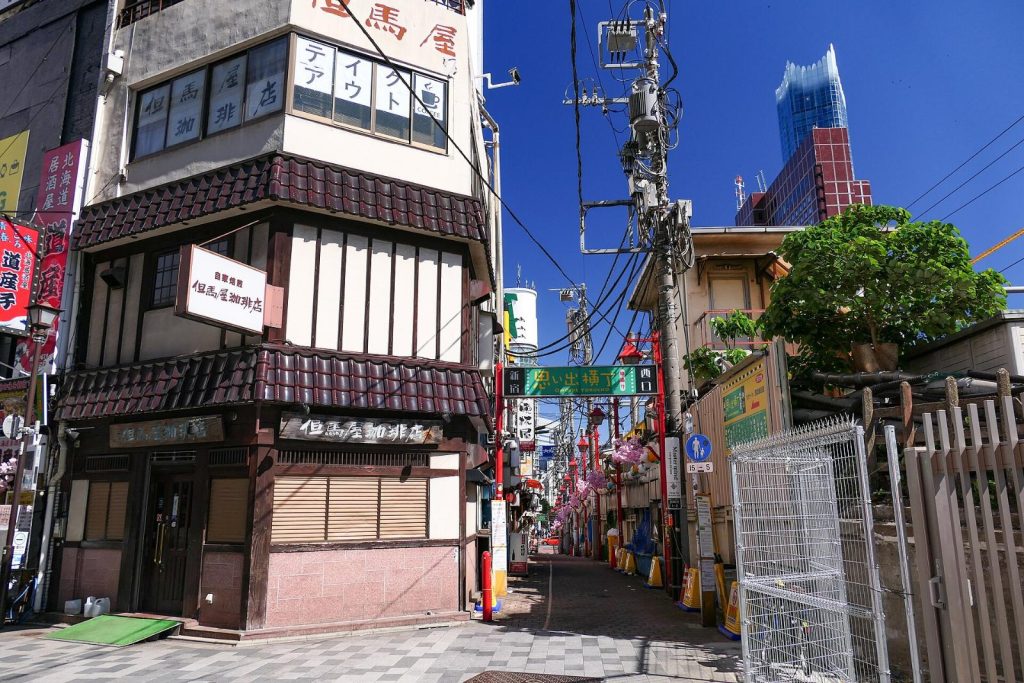
- Tajimaya Coffee House (Yanagi-dori): A coffee house on the official shop list, serving deep-roasted coffee brewed through a cloth filter from beans roasted in-house, with takeout available.
- Winter illuminations (Omote-dori, Naka-dori, Yanagi-dori and the Shinjuku Palette Building): LED lights and lanterns have lit the lanes since November 20, 2026, and stay up for about three months, according to the association.
Good to know before you go
- Entry and payment: Walking the lanes is free, with no tickets; each shop prices its own food and drink. Bring cash: in the association’s April 2021 visitor guide, about 60 percent of shops accepted cash only, and GO TOKYO lists cash as the payment method. See official visitor guide
- Shop rules: Some shops add a table charge (otoshi), ask each customer to order one drink and one dish on arrival, or limit each group to 90 minutes, so check a shop’s rules before you sit down.
- Hours: Each shop sets its own opening days and hours, and many open into the evening. The association notes that days, hours and menus can change without notice, so check the shop’s page before you go. See official shop list
- Smoking: Smoking is banned in the lanes and allowed only inside shops that permit it. The rule dates from a fire on November 24, 1999, that burned about a third of the alley without casualties; the date is now marked each year as Omoide Yokocho Day.
- Photography: The association’s photography rules, written for film and photo shoots, require an application at least 10 days ahead (even for a shoot inside a single shop) and ban tripods and flash, as a courtesy to customers. They don’t cover casual snapshots. See official photography page
- Getting there: The alley sits just outside the west exit of Shinjuku Station, about a 2-minute walk (JR, Odakyu, Keio and Tokyo Metro Marunouchi lines). The official access page also lists Seibu-Shinjuku Station and Shinjuku-nishiguchi Station on the Toei Oedo Line. See official access page
- Accessibility and toilets: The lanes are narrow (GO TOKYO notes the main alley barely fits two people side by side), and many eateries are small counters seating five or six. Shops on Naka-dori have no toilets of their own and share a communal toilet, which can have a line when busy. The association publishes no step-free access information.
- What visitors say: Visitors often mention that the lanes are packed in the evenings and in peak travel seasons, with many international visitors, and that the tiny counters fill fast, so arriving early helps. Some feel that table charges and drinks add up to poor value, especially at stalls aimed at tourists, while others find a few skewers and a beer good value. Time Out Tokyo’s December 2023 guide praises the smoky, old-fashioned lanes and notes a 300 yen otoshi charge at one shop that comes with a small appetizer.
Details checked against the Shinjuku Nishiguchi Shopping District Promotion Association’s official Omoide Yokocho website and GO TOKYO on November 24, 2026. Shops set their own hours, prices and rules, so confirm on the official website before you visit.
Photos: Nesnad / Wikimedia Commons (CC BY 4.0), Dick Thomas Johnson / Wikimedia Commons (CC BY 2.0), MaedaAkihiko / Wikimedia Commons (CC BY-SA 4.0)


Tags
More in Tokyo
- SHIBUYA SKYAn open-air rooftop 229 m above the streets of Shibuya
- Mount TakaoTokyo's classic day hike, with a cable car and Fuji views
- Meiji JinguA forest shrine to Emperor Meiji and Empress Shoken
- teamLab Planets TOKYOWade knee-deep through art at teamLab's water museum
- Tsukiji Outer MarketTokyo's food town for seafood, knives and morning bites
- Tokyo SkytreeGlass decks 350 and 450 meters above Tokyo