
Meiji Jingu
Free, Inner Garden ¥500
Plan your visit
Official website ↗- 1-1 Yoyogi Kamizono-cho, Shibuya-ku, Tokyo 151-8557, Japan · Directions
- +81 3-3379-5511
- Free, Inner Garden ¥500
- Good to know before you go
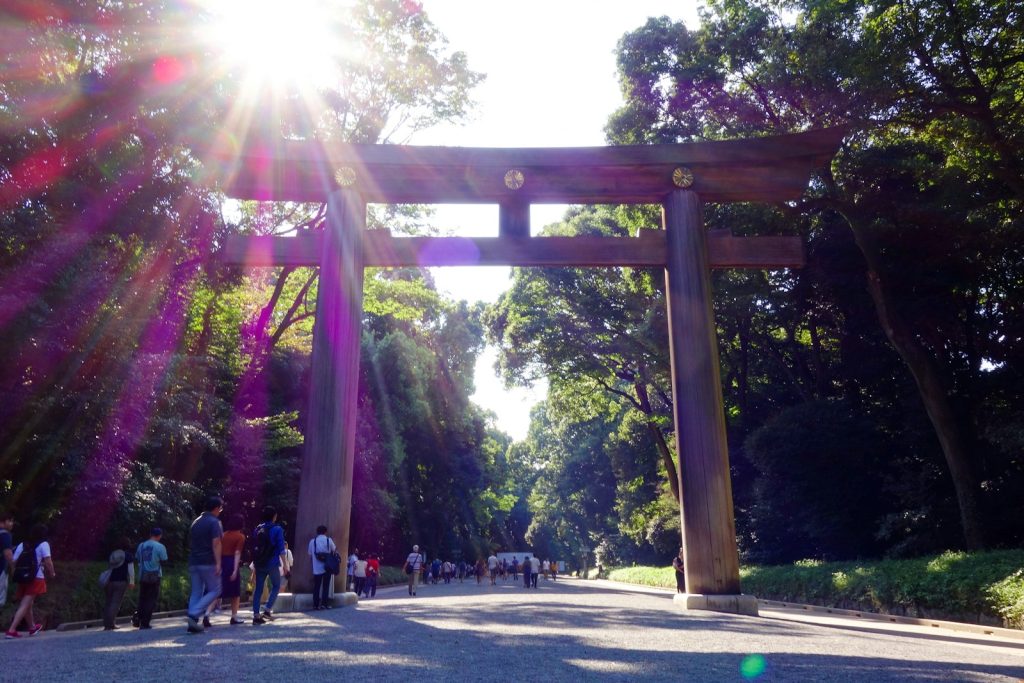
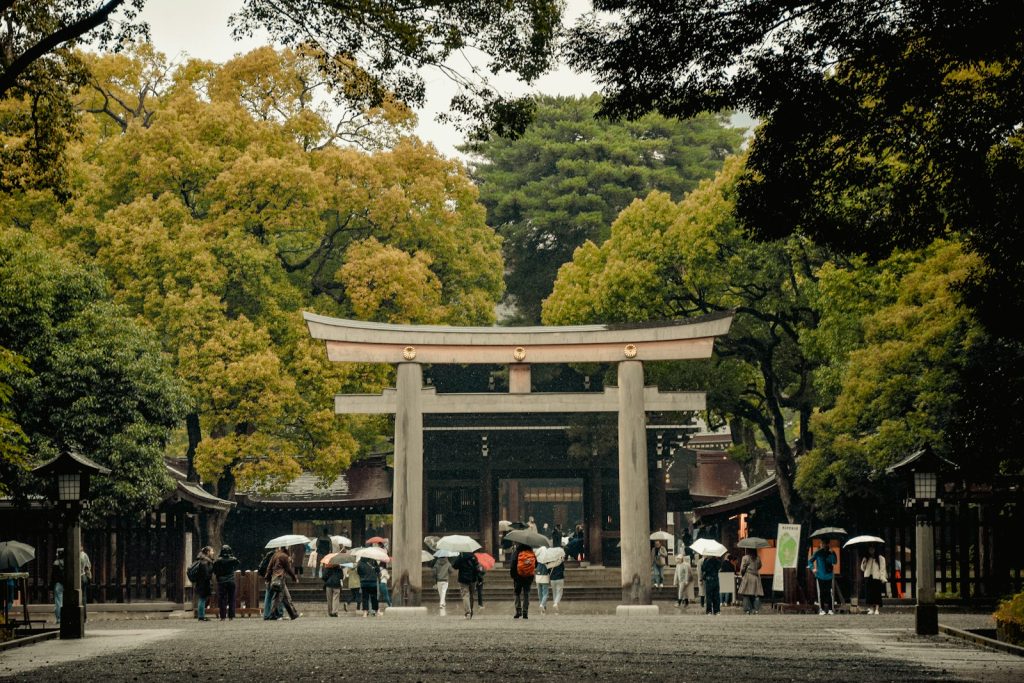
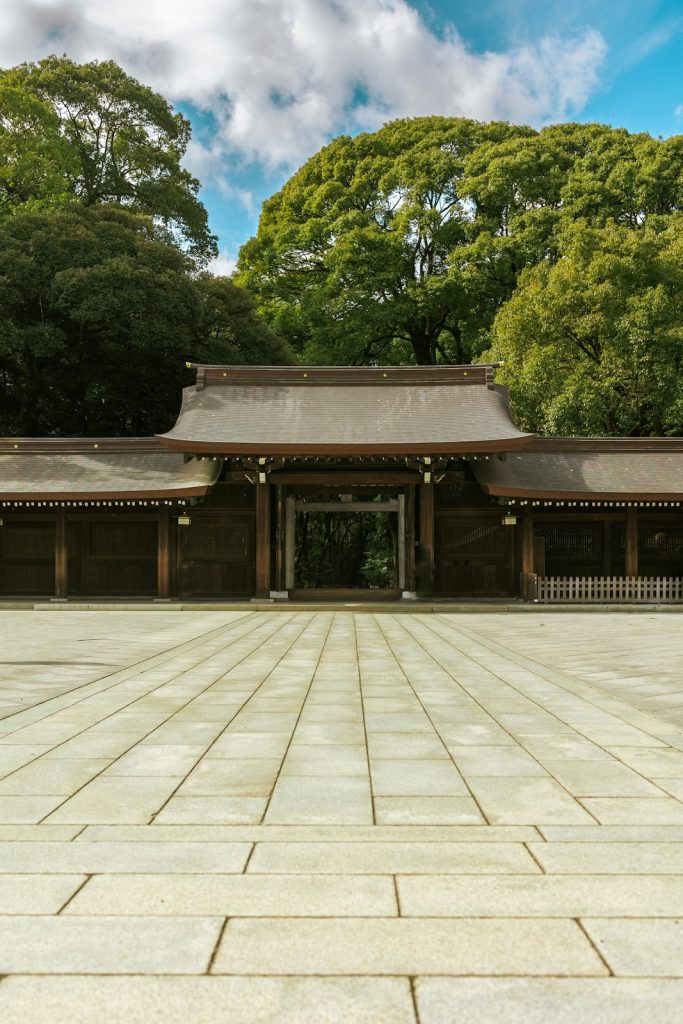
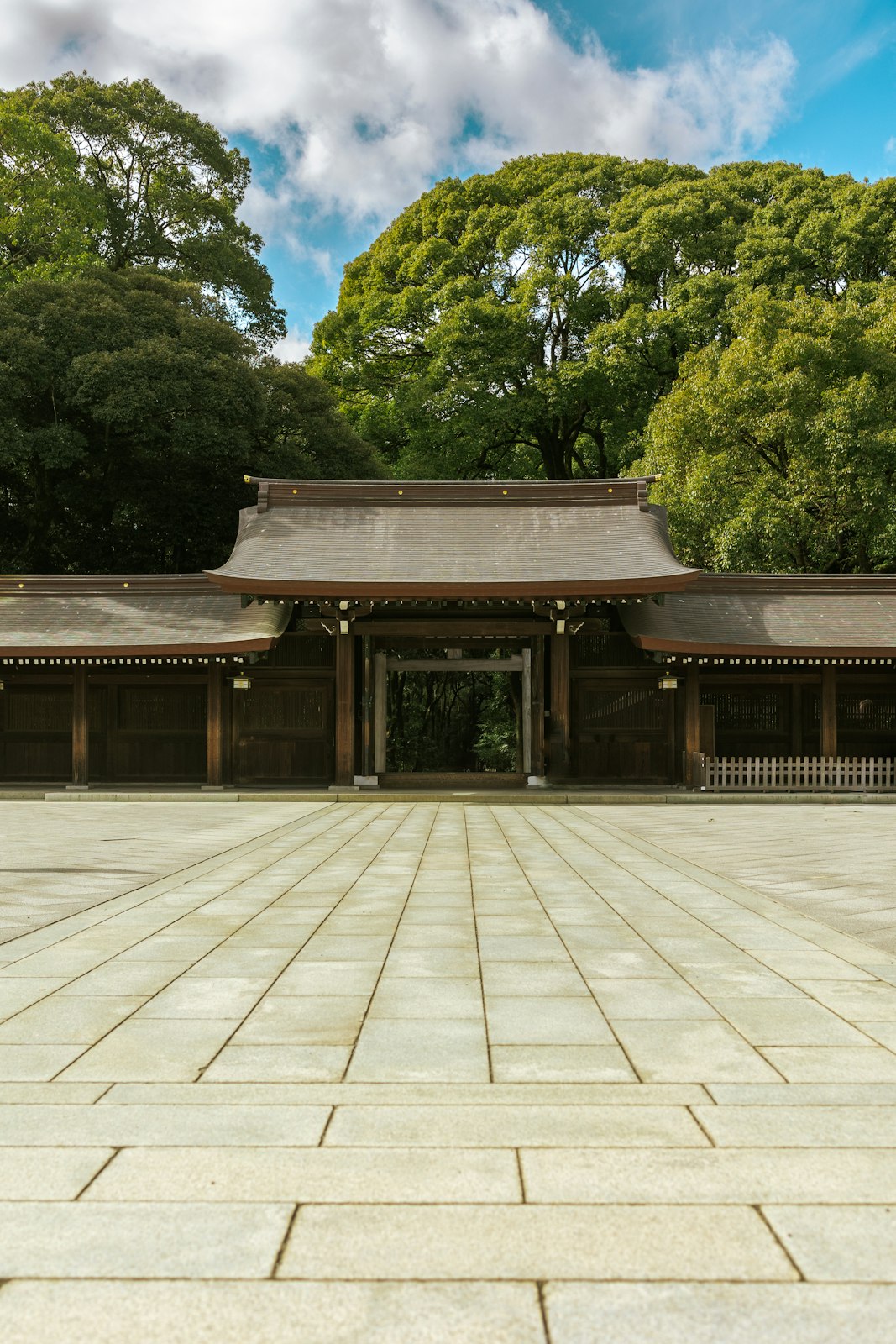
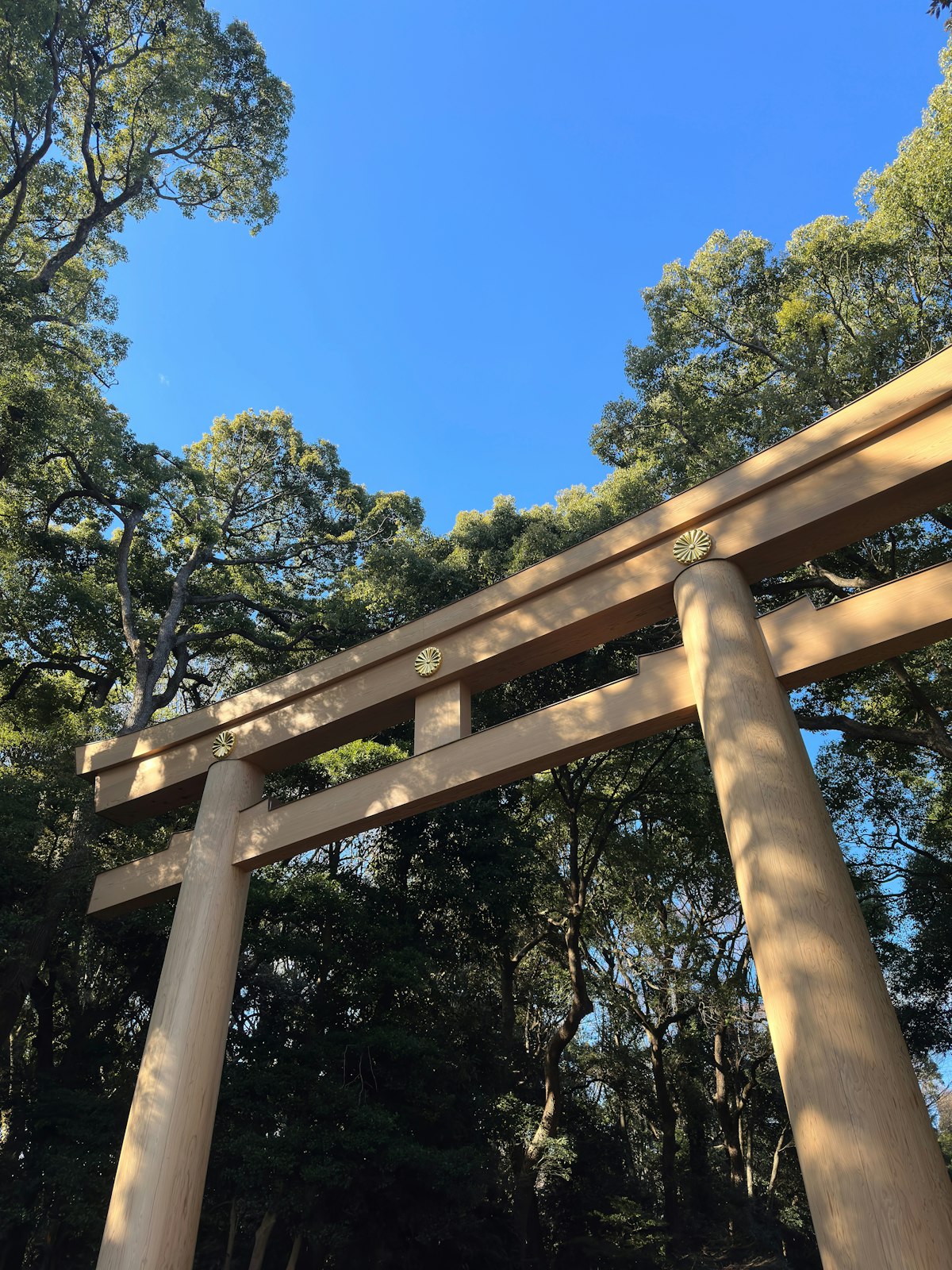
Meiji Jingu, in Shibuya, was established in 1920 to honour Emperor Meiji and Empress Shoken, and it is free to visit every day of the year. The approach leads through a 70-hectare forest that looks wild but was planted by 110,000 volunteers with trees donated from across Japan, and has been left to grow without human intervention. Pass through the wooden torii, stop at the purification font, and leave time for the Inner Garden and the Kuma Kengo-designed museum.
Highlights
- The sacred forest (Forest): A man-made forest of 234 tree varieties, planted in 1920 with every tree chosen for how it would look 100 to 200 years on.
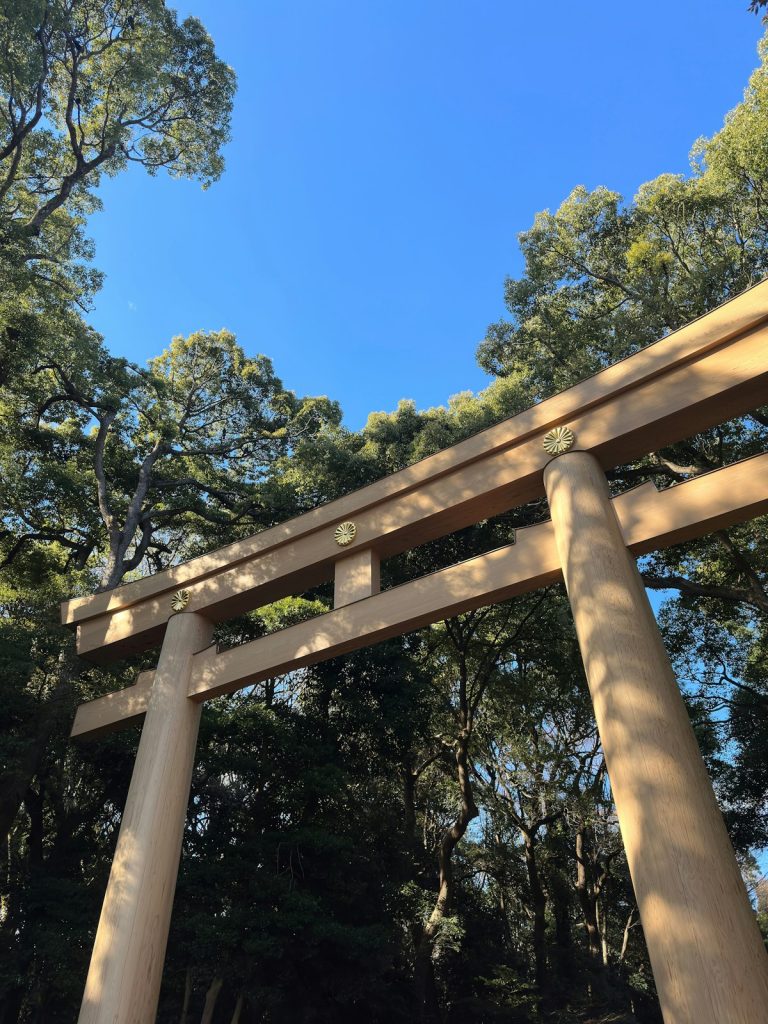
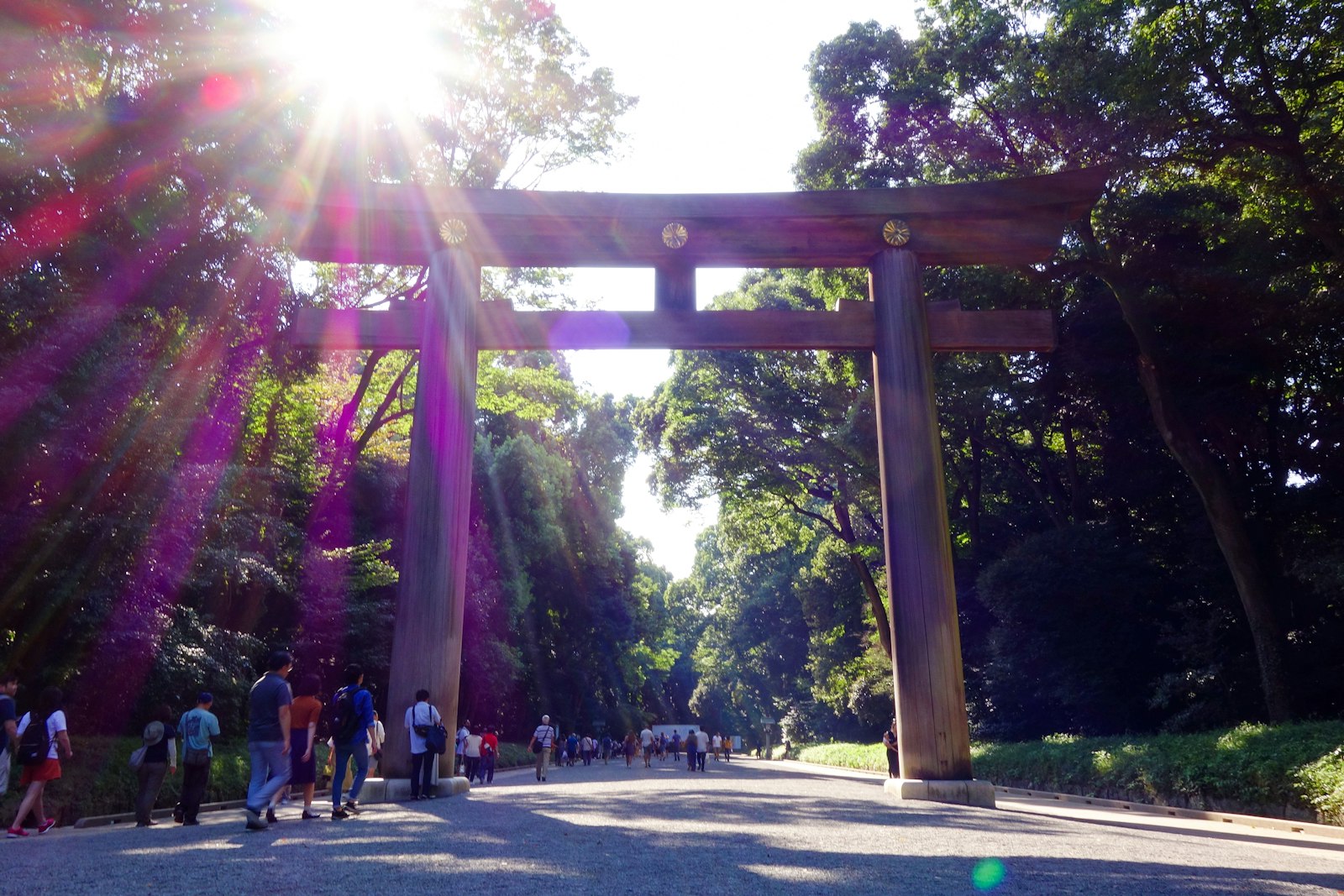
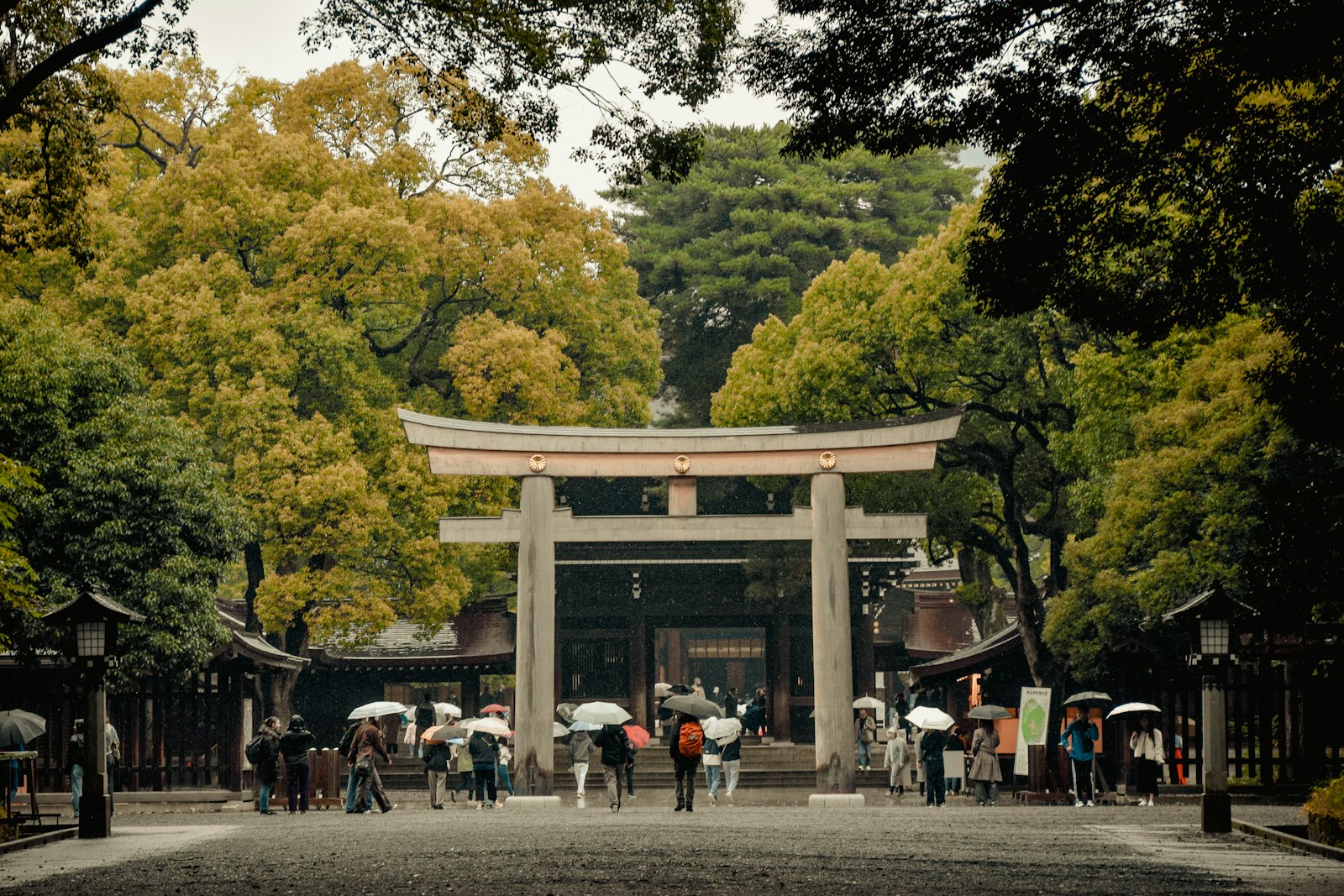
- Torii gates (approaches): Wooden gates that mark the boundary between the everyday world and the sacred grounds.
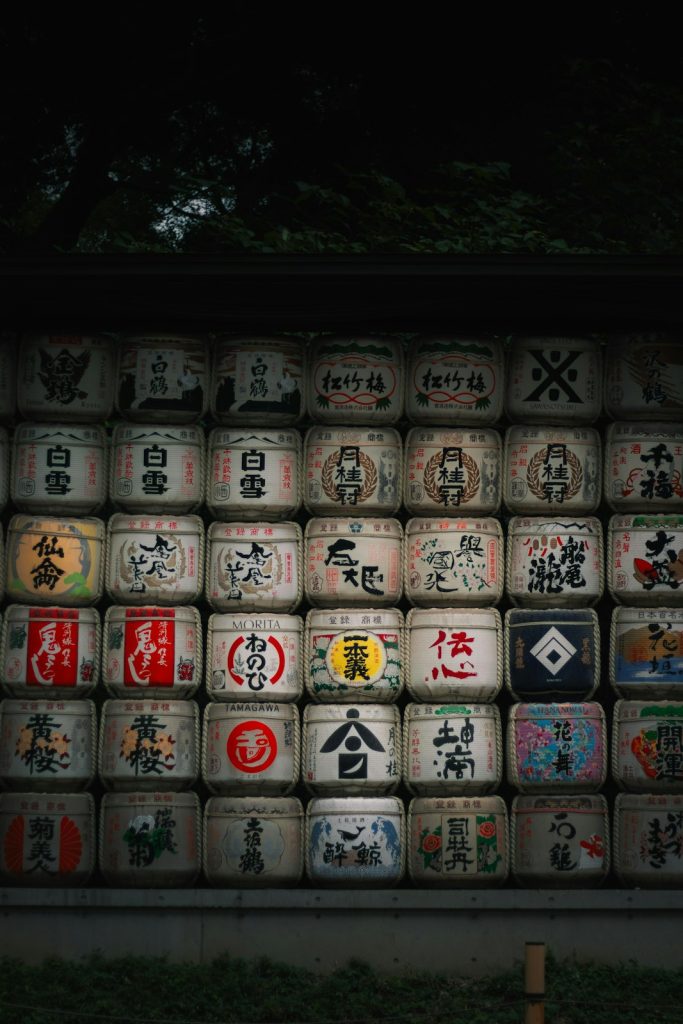
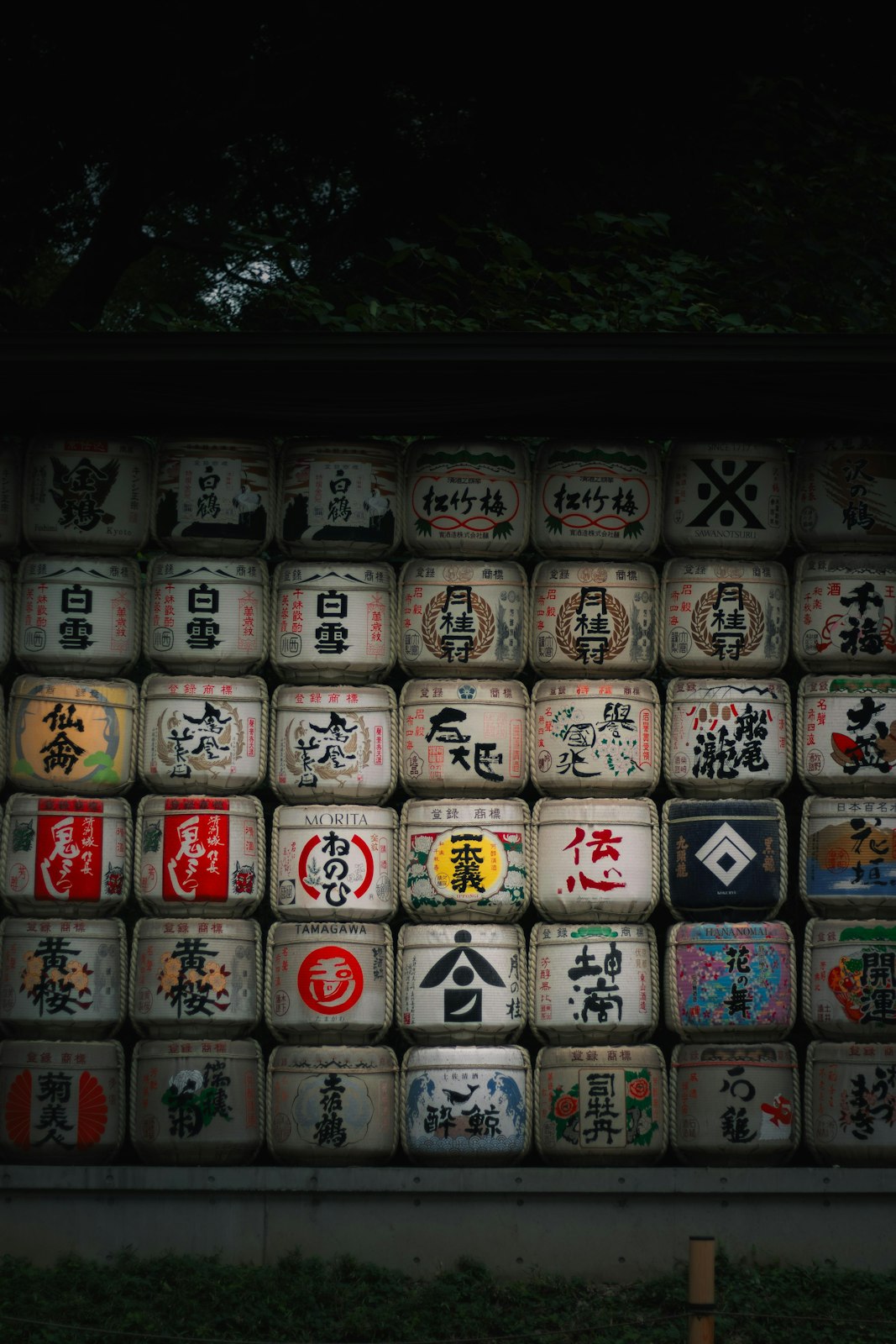
- Sake barrel display (South Approach): A wall of decorated Japanese rice wine barrels lines the South Approach.
- Main Sanctuary and purification font (Sanctuary): Purify yourself at the font before entering the sacred area; photos and videos aren’t allowed at the main sanctuary, where people pray.
- Divine Trees (Sanctuary): A pair of sacred trees said to represent a good relationship between husband and wife.
- Inner Garden (Meiji Jingu Gyoen): Former imperial property commissioned by Emperor Meiji partly for Empress Shoken, with Kiyomasa’s Well, the South Pond and irises in June. Maintenance contribution 500 yen.
- Meiji Jingu Museum (precinct map no. 16): Designed by Kuma Kengo and opened in 2019, it shows items used by or linked to the Emperor and Empress across 3,200 square metres on two floors. Adults 1,000 yen; closed Thursdays.
Good to know before you go
- Admission: The shrine is free and open every day of the year. The Inner Garden asks a 500 yen maintenance contribution, and the museum costs 1,000 yen for adults (900 yen for high school students and younger). See official museum page
- Hours: The gates open at sunrise and close at sunset, so times change by month, and some facilities keep shorter hours (mainly 9:00 to 16:00). Check the official ‘How to visit’ page. See official visit page
- Time needed: Allow about an hour for the shrine alone, or about two hours with the Inner Garden and museum. The walk from the entrance to the main buildings takes at least ten minutes. See official Q&A
- Etiquette: Eat, drink and smoke only in designated areas. Don’t take photos or videos at the main sanctuary where people pray, fly drones, run or play sports. Stay on the forest paths and don’t take plants, branches or nuts. See official etiquette page
- Accessibility: Wheelchairs are available at the entrance of the shrine grounds. Bicycles and motorcycles must be left in the parking area at the entrance. See official access page
- Goshuin: Shrine stamps are available at a counter near the main shrine building, which doesn’t take credit cards.
Details checked against Meiji Jingu’s official website on November 20, 2026. Hours and fees can change, so confirm on the official website before you visit.
Photos: Zion C / Unsplash, aestelle / Unsplash, Cole Keister / Unsplash, Xuedi Liu / Unsplash, Toby / Unsplash
Tags
More in Tokyo
- teamLab Planets TOKYOWade knee-deep through art at teamLab's water museum
- Tsukiji Outer MarketTokyo's food town for seafood, knives and morning bites
- Tokyo SkytreeGlass decks 350 and 450 meters above Tokyo
- Senso-jiAsakusa’s ancient temple, pagoda and market street
- teamLab BorderlessA museum without a map, at Azabudai Hills
- KAWAII MONSTER LANDA candy-coloured monster park under Takeshita Street